




The Formation and Operations of the ARP in Halifax
Introduction
During the tumultuous years of the Second World War, cities across Canada prepared for the possibility of aerial attacks. Halifax, as a major Atlantic port and strategic military hub, played a crucial role in the national defence planning. Central to its civil defence was the establishment and operation of the Air Raid Precautions (ARP) organization, a civilian-led effort designed to protect the city’s inhabitants and infrastructure against potential air raids.
The Formation of ARP in Halifax
The concept of Air Raid Precautions emerged in the United Kingdom during the late 1930s, and the model was quickly adopted by Canadian cities as the threat of war grew. In Halifax, the city council, under the guidance of federal and provincial authorities, began establishing its ARP committee in the early months of 1939. The urgency of preparedness increased following the outbreak of hostilities in September 1939.
The initial formation of the Halifax ARP involved collaboration between municipal officials, local police and fire services, and military advisors. Volunteers from all walks of life were recruited, including men and women from the community, who were trained in first aid, firefighting, rescue operations, and the use of gas masks. The organization structure mirrored those in larger British and Canadian cities, with designated wardens assigned to neighbourhoods and clear chains of command.
Organizational Structure and Training
The ARP in Halifax was organized into several key divisions:
- Wardens Service: Responsible for patrolling neighbourhoods, sounding alarms, and ensuring blackouts were observed.
- Rescue and Demolition Squads: Tasked with searching for and rescuing victims from bombed or damaged buildings.
- First Aid and Medical Units: Trained in basic and advanced first aid to treat casualties on site and coordinate with hospitals.
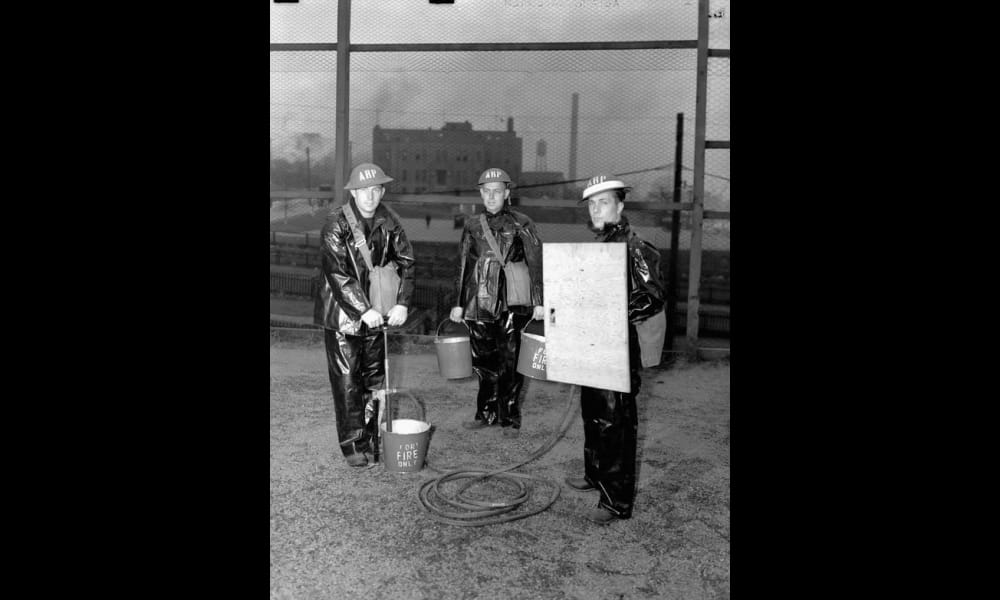
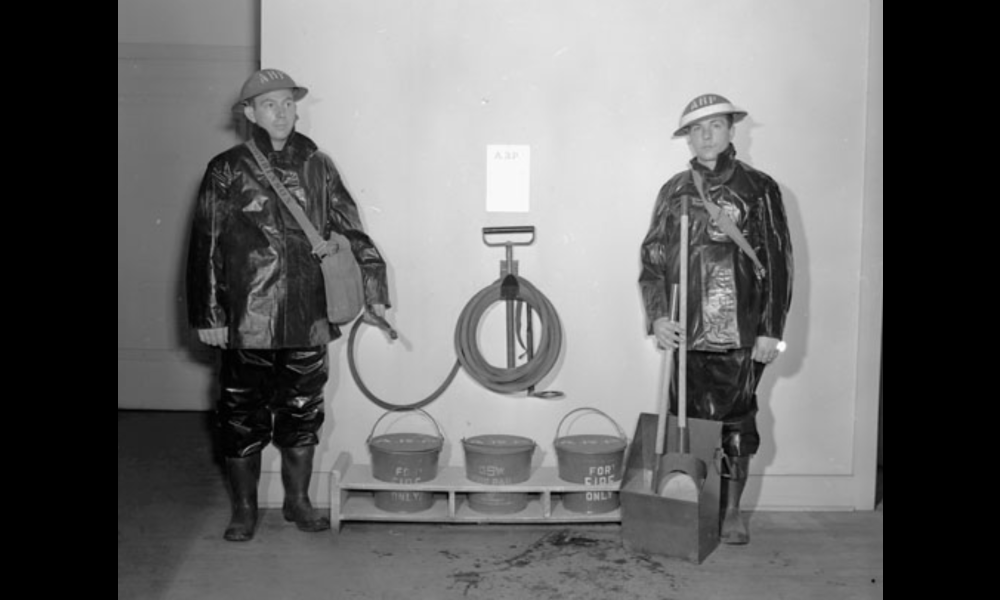
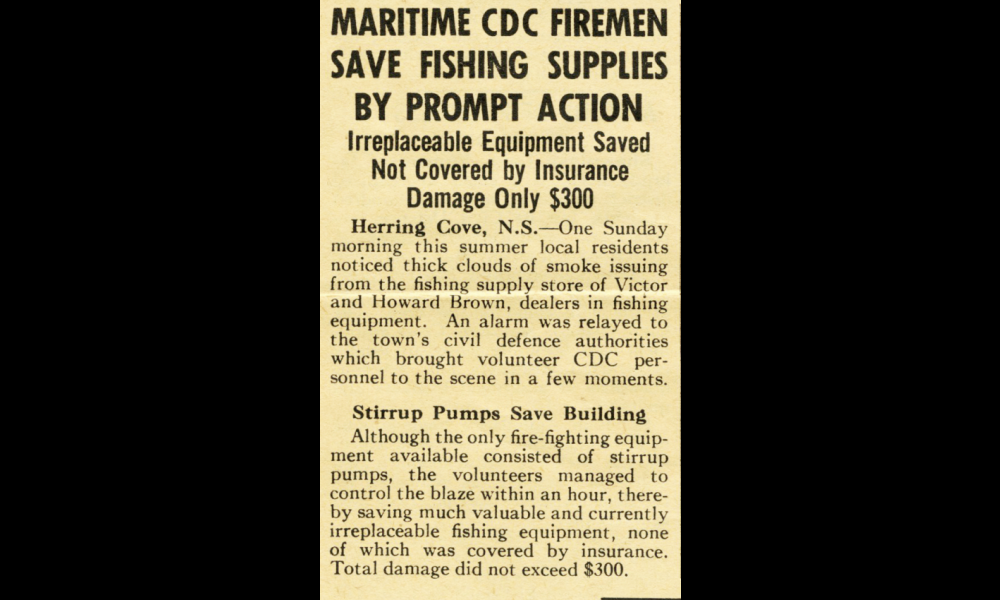
- Firefighting Teams: Supplemented the city’s fire department in responding to incendiary attacks and fires resulting from bombings.
- Communications and Report Centres: Ensured rapid and reliable communication between ARP units and municipal authorities.
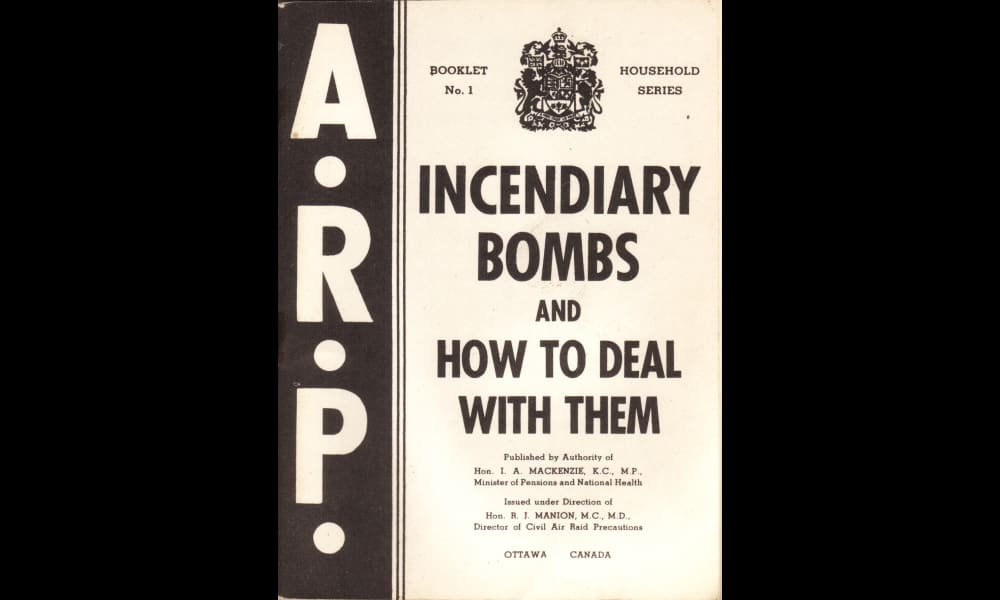
Volunteers underwent intensive training sessions, often in community halls, schools, and city facilities. Mock drills were conducted to simulate air raid scenarios, blackout conditions, and mass casualty events. The city distributed pamphlets and posters to educate the public on air raid procedures, blackout regulations, and shelter locations.
Operations During the War
Halifax’s ARP was most active during the early years of the war, especially following the devastating Halifax Explosion of 1917, which remained a vivid memory for residents and underscored the importance of preparedness. Although the city was never subjected to direct air raids, its status as a convoy assembly point and naval base made the threat plausible.
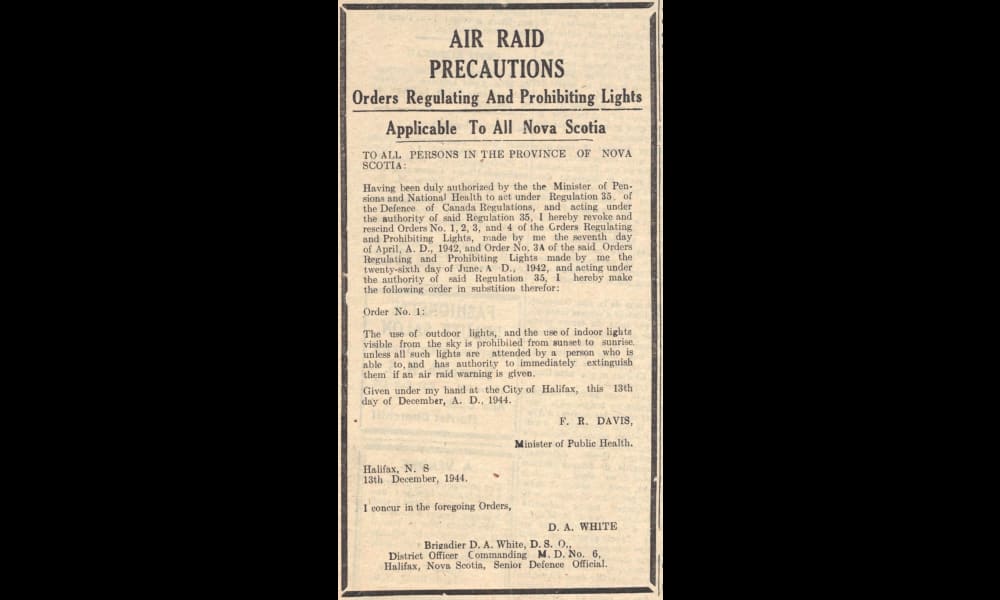
Regular blackout drills were enforced, with wardens ensuring that homes and businesses shielded lights to prevent enemy aircraft from identifying targets. The ARP also coordinated with the Royal Canadian Mounted Police and the Royal Canadian Navy to share intelligence and resources. In addition to air raid preparations, the ARP was tasked with responding to emergencies resulting from accidents, fires, and even enemy submarine attacks in Halifax Harbour.
Legacy and Impact
The ARP’s greatest contribution in Halifax was the spirit of volunteerism and community resilience it fostered. Its operations laid the groundwork for modern emergency management in the city, influencing the development of civil defence organizations during the Cold War and beyond. The training, organization, and public education campaigns initiated by the ARP became a model for future disaster preparedness strategies in Halifax and across Canada.
While the ARP was officially disbanded after the war, on October 31, 1945, many of its volunteers continued to serve in other capacities, and the lessons learned informed municipal policies for decades. Memorials and archives in Halifax preserve the history of this remarkable civilian organization, honouring those who stood ready to defend their city from the skies.
Conclusion
The formation and operations of the ARP in Halifax represent a significant chapter in Canadian wartime history. Through careful organization, community involvement, and an unwavering commitment to public safety, the ARP helped ensure that Halifax remained vigilant and prepared during one of history’s most uncertain periods.